Here’s the expanded version:
Carlos Guevara, a 16-year-old student from South Carolina, walked onto the X Factor USA stage carrying far more than the typical audition nerves. Behind his calm smile was a story of determination, resilience, and an unwavering passion for music. At just 12 years old, Carlos had been diagnosed with Tourette’s Syndrome and Obsessive-Compulsive Disorder (OCD), conditions that dramatically changed his daily life. The uncontrollable physical movements and vocal tics associated with Tourette’s made ordinary activities increasingly difficult, while OCD added another layer of challenges that most people around him could hardly imagine. Despite these obstacles, Carlos refused to let his diagnosis define who he was or what he could accomplish.
Before his conditions became severe, Carlos had been an active and outgoing teenager. He served as his school’s student body vice president and enjoyed playing football, embracing the same opportunities as his classmates. However, as his symptoms progressed, continuing in a traditional school environment became increasingly difficult. Eventually, he had to leave school and adapt to a completely different way of living. For many young people, such a sudden change could easily destroy their confidence, but Carlos searched for something that could help him move forward rather than focus on what he had lost.
That source of hope became music. Carlos explained that whenever he sang, something remarkable happened. The physical tics and involuntary movements that normally interrupted his daily life seemed to fade into the background. Music gave him a sense of peace and control that he struggled to find elsewhere. Instead of feeling limited by his condition, he felt free while performing. Singing became more than a hobby—it became a place where he could fully express himself without fear or embarrassment.
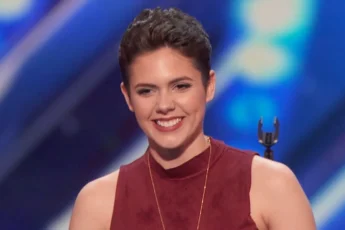
As he stood before the judges, his nervousness was visible. Moments before his performance began, he experienced noticeable physical tics, making it clear how difficult the situation was for him. The audience watched quietly, understanding that simply standing on the stage required tremendous courage. Yet Carlos remained determined, taking a deep breath as the music started.
For his audition, he chose John Mayer’s soulful song “Gravity,” a piece known for its emotional depth and subtle vocal demands. It was a bold selection that relied more on feeling and interpretation than flashy vocal runs. As soon as Carlos began to sing, the atmosphere inside the auditorium changed completely. The nervous teenager who had struggled moments earlier seemed to disappear, replaced by a confident performer whose voice filled the room with warmth and sincerity.
His rich, emotional tone immediately captured everyone’s attention. Every lyric felt heartfelt, and his delivery reflected genuine vulnerability rather than simple technical ability. The audience listened in complete silence, absorbed by the beauty of the performance. It was difficult to ignore the powerful contrast between the challenges Carlos faced before the music began and the confidence he displayed once he started singing.
As the song continued, his connection to the music became even more evident. He performed with remarkable control and authenticity, allowing the emotion of the lyrics to speak for themselves. There were no unnecessary theatrics or exaggerated gestures—only a young artist sharing his passion through his voice. His ability to become fully immersed in the performance demonstrated exactly why music had become such an important part of his life.
The judges appeared deeply moved by what they were witnessing. Beyond the impressive vocals, they recognized the courage it had taken for Carlos to stand on that stage and pursue his dream despite the challenges he faced every day. Their expressions reflected admiration rather than sympathy, as they appreciated both his talent and his determination.
When the performance ended, the audience erupted into applause, with many people rising to their feet in a standing ovation. The emotional response showed that Carlos had connected with the crowd on a level that extended far beyond music alone. He had reminded everyone that perseverance and passion can inspire just as much as extraordinary talent.
The judges’ comments were filled with genuine respect. Demi Lovato praised Carlos for his beautiful soul and positive energy, expressing how proud she was of him. She recognized not only his vocal ability but also the strength of character he displayed by refusing to give up on his dreams. Her words reflected the emotional impact his story and performance had made.
Simon Cowell also offered one of the evening’s most memorable compliments. Rather than describing Carlos as someone limited by his condition, Simon emphasized that he refused to be a victim. He admired the way Carlos focused on his abilities instead of his obstacles and encouraged him to continue pursuing his passion without allowing his diagnosis to define him. The comment highlighted the resilience that had impressed everyone in the room.
When it came time to vote, the decision was unanimous. Carlos received four enthusiastic “Yes” votes and advanced to the next stage of the competition. The celebration that followed reflected not only his success as a singer but also his triumph over years of personal challenges. His audition became one of the most inspiring moments of the season, demonstrating that determination, courage, and passion can overcome even the most difficult obstacles. Through his music, Carlos showed that while challenges may shape a person’s journey, they do not have to determine their destination.