
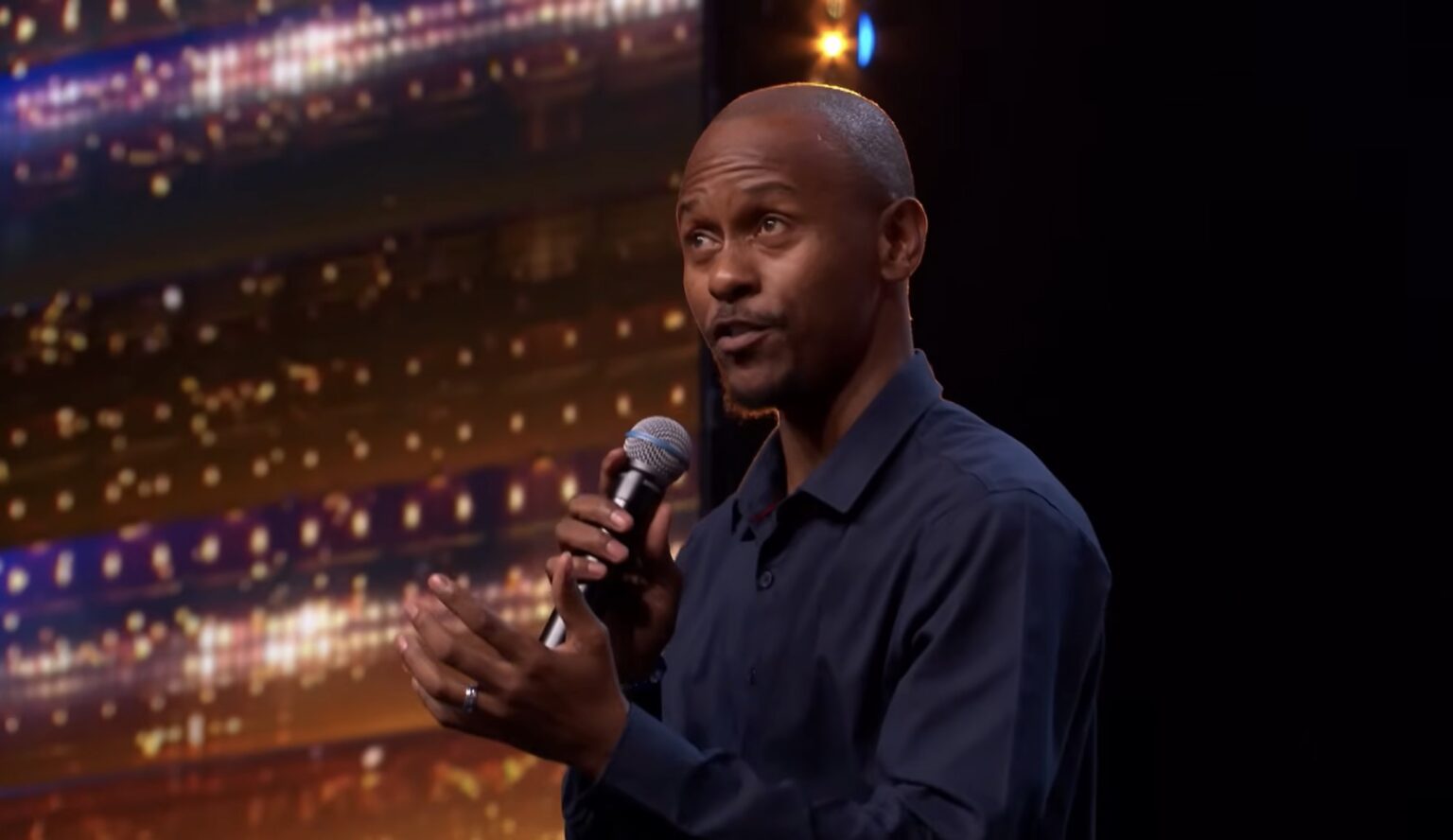
Nic Vani, a gifted singer from Maidstone, Kent, stepped onto the stage of Britain’s Got Talent carrying with him a clear purpose that immediately set him apart from many other contestants. He wasn’t there simply to test his luck or enjoy the experience—he arrived with the determination to finally step out of the background and claim the spotlight he felt he had long been standing just outside of. Surrounded by his supportive family, there was a visible sense of pride and anticipation in the audience before he even began. They knew this moment had been a long time coming for him.
Nic openly shared that much of his musical journey had been spent as a background vocalist, supporting others while never quite stepping forward as the main act. That honesty made his appearance even more compelling, as it framed his audition not just as a performance, but as a personal turning point. He explained that 2026 was the year he had decided to change that narrative—to stop being the voice behind the scenes and finally become the voice in front of them.
As the music began and he launched into his rendition of Circle of Life from The Lion King, the atmosphere in the theater shifted almost instantly. The familiar melody took on a new emotional weight through his interpretation. Rather than simply replicating the well-known classic, Nic reimagined it with a refined, soulful delivery that made the song feel fresh and personal again. From the very first lines, it was clear that this was not going to be an ordinary cover.
His vocal tone was smooth, controlled, and remarkably clear, allowing every lyric to land with precision and emotional depth. As he progressed through the performance, he demonstrated impressive technical control, especially in the way he built toward the song’s more powerful sections. The transition into higher notes was seamless, showcasing both strength and discipline. Each climactic moment felt effortless, as if he was completely at ease navigating one of the most iconic songs in modern music.
The audience’s reaction began to shift quickly. At first, there was quiet attentiveness—people recognizing a strong voice but still processing what they were hearing. Then came the visible reactions: widened eyes, exchanged looks, and growing excitement as the performance intensified. By the time Nic reached the soaring sections of the song, the energy in the room had completely transformed. What started as curiosity had turned into full-blown admiration.
The judges were equally affected by the performance. Simon Cowell and the rest of the panel appeared visibly stunned by the consistency and power of his vocals. It wasn’t just that he could sing well—it was the level of polish, control, and emotional delivery that made his performance stand out. There was a sense among the judges that they were witnessing someone who already understood how to command a large stage, not someone still trying to find their place on it.
As the song approached its climax, the reaction in the auditorium reached its peak. The audience could no longer contain their excitement, rising to their feet in a standing ovation even before the final notes had fully settled. It was a spontaneous response, driven by the impact of what they had just experienced. Nic, focused and composed, continued through the final moments of the performance, finishing with confidence as the applause grew louder around him.
When the music finally stopped, the theater erupted fully. The applause was thunderous, sustained, and deeply appreciative. The judges joined in the praise immediately afterward, with unanimous approval and strong recognition of his talent. They emphasized that what they had just seen was not a background singer stepping forward, but a complete transformation into a front-and-center artist capable of leading a stage of this scale.
Their feedback made it clear that Nic Vani had redefined how he was seen in that moment. No longer just a supporting voice, he had proven himself as a leading performer with both technical skill and emotional presence. The four enthusiastic “yeses” he received confirmed his place in the competition and marked a major turning point in his journey.
By the end of the audition, Nic had gone from a background vocalist to a viral standout and serious contender on Britain’s Got Talent. His performance resonated not just because of its technical excellence, but because of the story behind it—a reminder that sometimes the biggest breakthroughs happen when someone finally steps out of the shadows and decides to be seen.